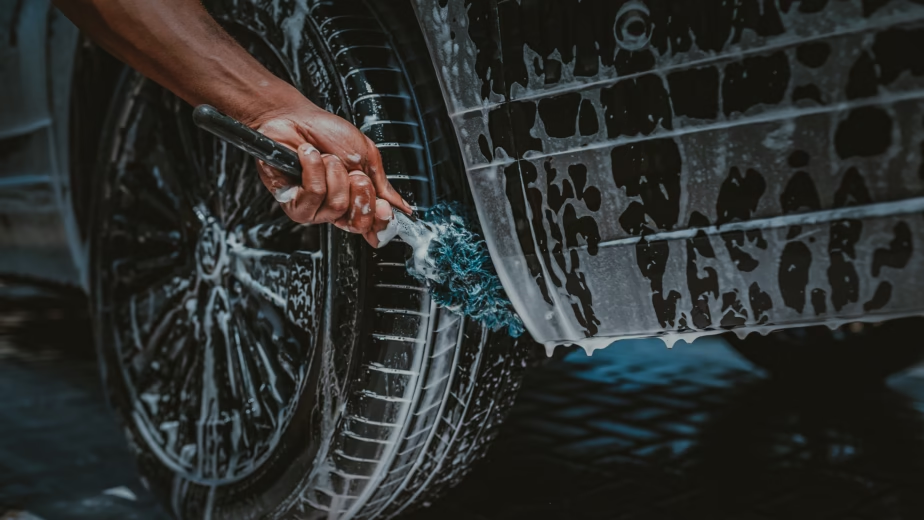
The Hidden Paint Damage Lurking on Your Daily Drive
Car paint rarely fails overnight. It slowly loses its shine, bit by bit, until one day you step back and notice it looks flat, patchy, or older than the car really is. A lot of that change comes from small bits of damage you barely notice at first, especially when you are busy with work, family and regular trips across Bedfordshire.
Modern paint and clear coat are thinner than many people think. That glossy top layer that makes your car look fresh is not very thick, so even light marks, etching and micro-scratches can cut through quicker than you expect. Here at Oasis Valeting, we want to show you the common “silent” paint killers, how to spot early warning signs, and how professional car detailing in Bedfordshire can help stop slow damage before it becomes permanent.
Sneaky Everyday Culprits That Eat Away at Your Paint
Some of the worst things for your paint are completely normal parts of daily driving. They land on the car, bake in the sun, and quietly start to mark the clear coat.
Bird droppings, bugs and tree sap are a good example. They are often:
- Acidic or sticky
- Hard to remove without the right products
- Quick to leave stains in warm weather
Left on hot paint, they can start to etch into the clear coat in a short time. If you scrub them off with a dry cloth, you risk scratching the surface, as well as leaving a dull patch where the mark has eaten in.
Road salt, grit and winter grime also cause steady damage. They cling to:
- Lower doors and sills
- Wheel arches and bumpers
- Undersides and hidden lips
These rough particles act like sandpaper when you wash or even when the car moves. Over time, they create fine scratches and help rust start on chips and exposed edges, even on newer vehicles.
Then there are liquids we tend to ignore. Petrol splashed around the filler cap, strong screen wash running down the bonnet, or household cleaners used on paint can:
- Strip away wax and sealants
- Leave dull, cloudy patches
- Dry out rubber trims and plastics
The damage is often slow and patchy, so you do not always notice until the whole panel looks faded compared with the rest of the car.
Small Scratches That Turn Into Big Headaches
Not all damage comes from chemicals and grime. A lot of it is mechanical, from wiping, washing and daily use.
Swirl marks and hairline scratches show up as spider-web rings in direct sunlight. They are usually caused by:
- Sponges or wash mitts full of grit
- Automatic car washes with harsh brushes
- Old towels or chamois used to dry the car
Each pass puts tiny scratches into the clear coat. One or two washes might not look too bad, but after months of this the whole car can look grey and hazy rather than deep and glossy.
Car parks are another danger zone. Shopping trolleys, bags, light bumps from other doors and keys brushing against panels all add up. On their own, these marks might seem small, so they get left “for later”. Over time:
- The paint starts to look tired and patchy
- Edges of chips and scuffs can lift
- Bare metal areas are more likely to corrode
Stone chips on bonnets and bumpers are common on regular A-road and motorway runs, especially at higher speeds. The constant hit of small stones and debris breaks the paint film and exposes the primer or metal underneath. In our damp climate, those tiny bare spots can:
- Trap moisture
- Start surface rust
- Spread under the surrounding paint
What starts as a few dots on the front can turn into bubbling, flaking patches if not dealt with.
Seasonal Damage Traps on Bedfordshire Roads
Different times of year bring different problems for your paint, especially if your car lives outside at home or at work.
Summer sun and heat are hard on paint. Strong UV rays can fade exposed panels like roofs, bonnets and boot lids, especially on darker colours. At the same time, warm panels make bird mess, sap and tar bake on faster. Once baked, they are much harder to remove safely and often leave marks behind.
In autumn, leaves and standing water become a risk. Wet leaves:
- Trap moisture against the paint
- Sit in window seals and drainage channels
- Leave brown stains around badges and trims
Blocked drains can also let water sit in sills and wheel arches, increasing the chance of rust where chips or thin paint are already present.
Winter brings its own mix of damage. Freezing temperatures, road salt and constant wet roads across Bedfordshire’s rural routes all work together. Freeze-and-thaw cycles can:
- Widen small cracks and chips
- Cause lacquer to peel away at exposed edges
- Push water deeper under lifted paint
Salt and grit then sit in those gaps and speed everything up.
How Professional Detailing Stops Damage in Its Tracks
There is a big difference between a quick wash and proper detailing. A fast wash might remove the worst dirt, but it often leaves bonded contamination stuck to the paint and can add fresh scratches if done with poor tools.
Professional detailing focuses on:
- Careful pre-wash to remove loose grit
- Safe contact washing with clean tools
- Chemical and clay decontamination to remove tar, sap and industrial fallout
Once the surface is truly clean and smooth, machine polishing can carefully remove light defects like swirls, light scratches and oxidation. This reveals fresh, glossy paint that looks deeper and more reflective.
After correction, protection is key. Depending on the car and how you use it, options can include:
- Traditional waxes for a warm shine and easy topping up
- Paint sealants for longer-lasting protection and slickness
- Ceramic coatings for a tougher, more durable sacrificial layer
These layers make it harder for dirt, salt and UV to reach the paint in the first place and make routine washing easier and safer.
Having help from a local team that offers car detailing in Bedfordshire also means the protection package can be matched to real conditions. Things like regular rural driving, on-street parking, shaded driveways under trees or long commutes can all guide which products, and methods are best for your car.
Simple Habits to Keep Your Paint Looking Fresh
Good habits at home can slow down everyday damage and keep your car looking fresher between professional visits.
Helpful routines include:
- Washing regularly with the two-bucket method and a safe wheel cleaner
- Using a pH-balanced shampoo and soft wash mitt
- Rinsing bird mess, bugs and sap as soon as you see them
- Drying with clean microfibre towels instead of letting the car air dry
It is just as important to avoid things that cause more harm than good. Try not to use:
- Harsh brushes or sponges from cheap roadside washes
- Strong household cleaners like washing-up liquid on paint
- Old rags or bath towels that drag grit over the surface
These might seem quick and easy but they often leave marks that only machine polishing can correct.
Knowing when it is time to call in the experts can save your paint from long-term damage. Warning signs include:
- Paint that looks flat or cloudy, even after washing
- Clear swirl marks or fine scratches in sunlight
- Rough or gritty feel on the paint that does not wash off
- Noticeable chips, scuffs or small rust spots
At that point, a proper valet or full detail can reset the finish, remove or reduce defects and add strong protection so your car is ready for the months ahead.
Restore Your Car’s Finish With Professional Care
If you are ready to give your vehicle a proper deep clean, explore our full range of car detailing in Bedfordshire tailored to how you use your car. At Oasis Valeting, we take the time to treat every surface carefully so your car looks and feels refreshed. Tell us what you need and we will recommend the most suitable package for you. If you have any questions or would like to book in directly, simply contact us.