The Quiet Habits Costing You Your Car’s Shine
That sinking feeling when you see fresh swirl marks or a dull patch on your bonnet is horrible. The car still drives fine, but the shine you were proud of has quietly faded. Most people think damage comes from big hits like accidents or vandals, but the truth is different.
Most paint damage builds up from tiny, boring habits. How you wash, where you park, what you ignore for “just a few days”, all add up. As a mobile valeting and detailing team working across Bedfordshire, we see the same patterns on cars week after week, and most of it could have been avoided.
In this guide, we will walk through the everyday “paint killers”, how to spot early warning signs, and simple swaps that keep your car looking glossy for longer. Professional car detailing in Bedfordshire can often correct light damage and add protection, but your daily choices are what keep that finish looking fresh.
How Your Washing Routine Secretly Scratches Paint
The way a car is washed does more damage than almost anything else. It often starts with good intentions, but the wrong tools and products act like very fine sandpaper on the clear coat.
Automatic car washes might seem quick and easy, but the risks are hidden:
- Stiff brushes that drag old dirt across your paint
- Recycled water holding grit from dozens of cars
- Strong chemicals that strip wax and dry out paint
At home, the classic single-sponge-and-one-bucket method is not much better. Once that sponge picks up grit from the lower panels, every wipe rubs those tiny particles into the paint. In winter and spring, when roads are covered in salt and grime, this damage ramps up fast.
Common “quick fixes” cause trouble too:
- Washing up liquid that strips any wax or sealant
- Cheap, thin microfibres that feel soft but still scratch
- Old bath towels that are too rough for modern clear coats
- Leaving the car to air dry, which bakes water spots into the surface
Safer habits are simple once you know them:
- Use a pH-neutral car shampoo, not household cleaners
- Follow the two-bucket method, one for the wash, one for the rinse
- Add grit guards to keep dirt at the bottom of the buckets
- Wash from top to bottom with a plush wash mitt
- Dry with a thick, soft drying towel, not a bathroom towel
In the UK climate, a gentle wash every couple of weeks works well for most daily cars, more often if you do a lot of motorway miles. If you already see swirls under street lights, water spots that will not shift, or a greasy film that clings to the paint, a professional safe wash and detail can reset the surface and remove that built-up grime.
Everyday Parking Choices That Fade and Chip Paint
Where you leave your car every day quietly decides how long the paint will last. Parking near trees might give shade, but it also brings:
- Sap that dries into sticky, stubborn spots
- Bird droppings that can etch into clear coat
- Pollen that clings to the paint and holds moisture
- Small branches and twigs that can scratch when they fall
Regular roadside parking or busy car parks bring their own problems. Door dings, bumper scuffs, and trolley taps add up over time and spoil even the cleanest, glossiest finish.
Sun is another slow paint killer. Leaving your car in full sun day after day fades and oxidises paint, especially reds and darker colours. The clear coat becomes weaker and more brittle, which makes it easier for scratches to bite in.
Try small changes like:
- Choosing end bays so only one car parks beside you
- Parking a little further away in quieter parts of the car park
- Looking for shade beside buildings rather than directly under trees
- Using a quality car cover if the car will sit for long periods
When paint has already gone flat or hazy, professional machine polishing can bring the gloss back by carefully refining the clear coat. Ceramic coatings then add a tough, sacrificial layer that helps resist UV, light knocks, and everyday fallout.
Small Spills and Stains That Turn Into Big Problems
Some of the worst marks we see started as a tiny blob or streak that got ignored for a few days. Everyday contaminants might look harmless, but many are mildly corrosive.
Common troublemakers include:
- Bird droppings, especially on warm days
- Tree sap and sticky blossom residue
- Bug splatter on the bonnet and mirrors
- Fuel drips around the filler area
- Road salt spray along sills and lower doors
Waiting until the weekend can be all it takes for these to bite into the clear coat and leave dull, etched patches. In warmer weather, this can happen in just a few days, and no amount of normal washing will fully shift the mark.
Safer emergency clean-up looks like this:
- Gently pre-soak the area with a dedicated cleaner or quick detailer
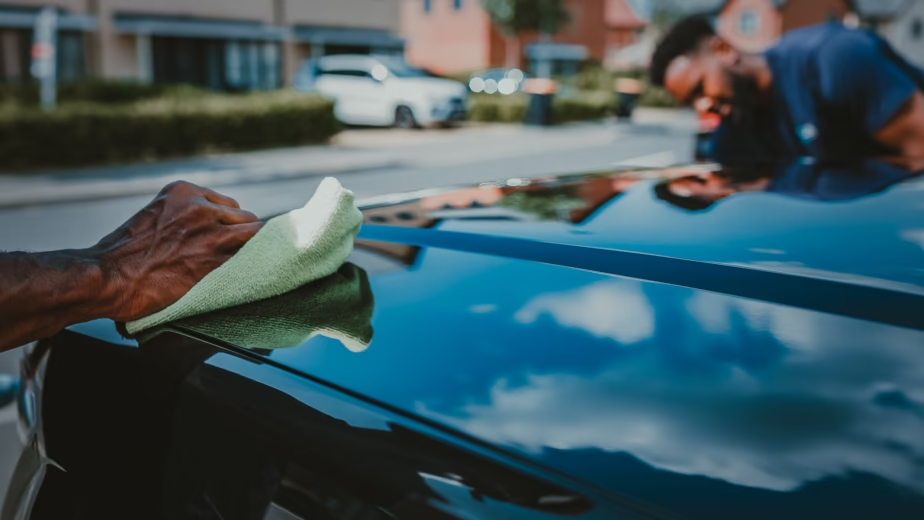
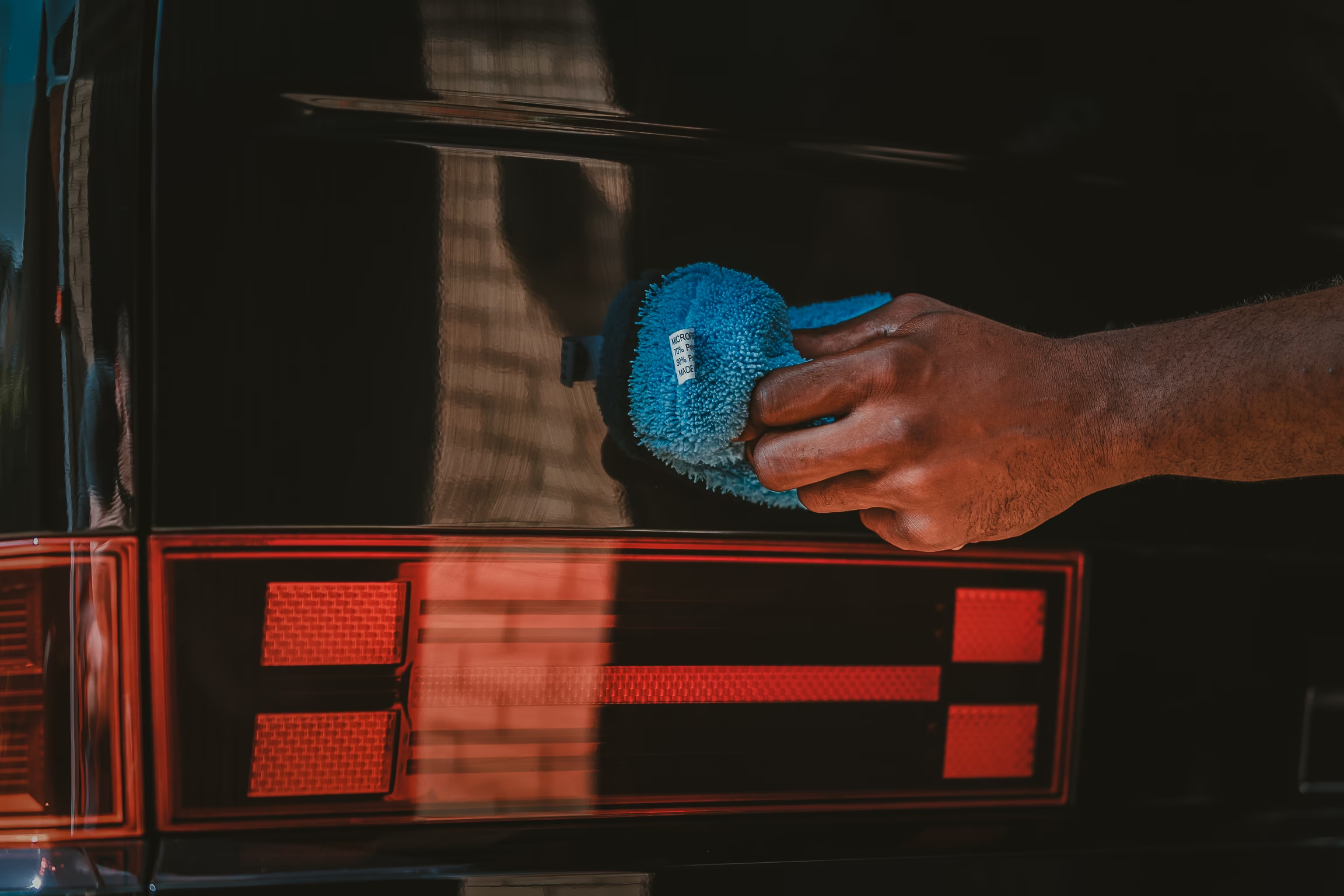
- Lay a soft microfibre on top to soften the mess rather than scrubbing straight away
- Wipe with light pressure, turning the cloth often
- Never attack a stubborn spot with your fingernail or a rough sponge
Different seasons bring different problems. Spring means pollen and blossom, summer brings bugs and baked-on droppings, autumn has wet leaves that stain, and winter spreads salt that sits in every nook and cranny. Keeping a small “boot kit” helps a lot:
- Quick detailer spray
- A couple of soft, clean microfibres
- A bug and sap remover
Combined with periodic professional car detailing in Bedfordshire to deep-clean and decontaminate the paint safely, this keeps those small spills from turning into permanent eyesores.
Quick Touch-Ups and DIY Fixes That Backfire
It is very tempting to grab a scratch pen or a cheap polish and have a go at fixing marks yourself. Sadly, many of these quick fixes cause more trouble than the original scratch.
Common problems include:
- Scratch pens that leave dark or shiny lines that do not match the paint
- Supermarket polishes that are too harsh or full of fillers
- Coloured waxes that hide damage for a short time, then fade patchy
Household products are another danger. Toothpaste, kitchen cleaner, or bathroom cream might seem safe because they are used on shiny surfaces, but on car paint they can thin the clear coat and leave visible rings around the area you rubbed.
Pressure washers need care as well. Holding the lance too close, using a tight nozzle, or blasting directly at stone chips, badges, and panel edges can lift lacquer and expose bare metal, which then starts to rust.
Any proper paint correction should start with:
- A careful wash and decontamination to remove grit
- A test spot in a small area to see how the paint reacts
- Gentle, controlled polishing steps, not random scrubbing
If you are unsure, it is usually safer to stop early rather than keep rubbing. Professional paint correction, ceramic coatings, and SMART repairs are designed to sort issues like scratches and small chips in a controlled way, rather than masking them for a short while and creating more damage that costs more to fix.
Protect Your Paintwork with Smarter Habits Today
Your car does not lose its shine overnight. It fades slowly through tiny habits and shortcuts. The good news is that small, smarter changes work the same way, quietly protecting the finish day after day.
A simple routine might look like this:
Weekly:
- Safe wash with pH-neutral shampoo and the two-bucket method
- Gentle drying with a soft towel, no air drying
- Quick check for fresh bird droppings, sap, or bug splatter
Monthly:
- Inspect common damage zones, such as door edges and bumpers
- Top up protection with a spray sealant if the car is already coated
- Give wheels and lower panels extra attention to remove brake dust and road salt
For drivers around Bedfordshire, a professional “reset” can be a great starting point. A thorough exterior detail with proper decontamination, machine polishing where needed, and an optional ceramic coating gives you a clean, protected base. From there, your new habits keep that finish looking close to showroom fresh for years of daily use.
Restore Your Car’s Finish With Professional Care Today
If you are ready to give your vehicle the thorough clean it deserves, explore our full range of car detailing in Bedfordshire to find the ideal package. At Oasis Valeting, we use quality products and careful techniques to protect your paintwork, interior and wheels. Tell us what you need and we will tailor our service around your car and schedule. If you have any questions or would like a specific quote, simply contact us.